
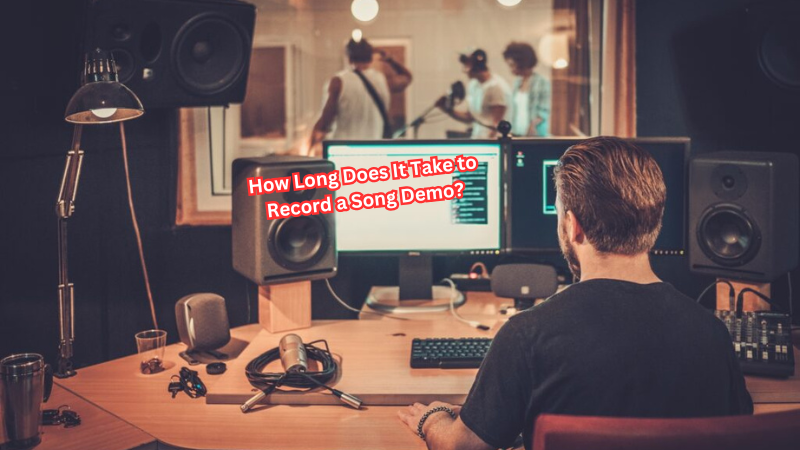
Recording a song demo is an exciting step in bringing your musical ideas to life, but how long does it really take? The answer depends on a mix of factors. Is the song a simple acoustic piece or a layered production?
Are you a seasoned performer or just starting out? And what kind of recording setup are you working with—state-of-the-art equipment or just your laptop and a mic? The process can be thrilling yet challenging as you strive to capture the essence of your music.
By understanding what goes into demo recording, you can better plan your time and resources. Whether you're an aspiring artist or just curious, this guide will help you break it down and hit record with confidence.
What is a Song Demo?
A song demo is a rough recording of a song that showcases the basic structure, melody, and lyrics. It serves as a working draft for artists to refine their songs before finalizing them for release. Usually, demos are recorded in a simpler format than the finished product; think of it as an outline or blueprint for the final version.
Also known as a "demo tape," these recordings are often used to pitch songs to record labels, publishers, and other artists. They can also be used for personal use or to share with friends and family. And while demos may not have the polish of a professionally produced song, they offer a glimpse into the creative process and potential of a song.
How Long Does It Take to Record a Song Demo?
The time it takes to record a song demo can vary depending on the complexity of the song and the resources available. On average, it can take anywhere from a few hours to several days to complete a demo. This includes recording, editing, and mixing the track.
Simple acoustic songs with minimal production may only take a few hours to record, while more layered and complex productions could require multiple sessions over several days. Additionally, the experience level of the artist also plays a role in how long it takes to record a demo.
It's important to note that rushing through the recording process can lead to an underwhelming result. It's best to give yourself enough time to properly capture your vision for the song and make any necessary revisions.
Factors that Affect Demo Recording Time
Now that we know the average time it takes to record a song demo, let's explore the various factors that can affect this timeframe.
Song Complexity
The complexity of a song is often the most significant factor in determining how long it will take to record a demo. A simple acoustic piece with just vocals and guitar may only require a few hours to record, while a fully produced track with multiple instruments and layers could take several days or even weeks.
When planning for a demo recording session, consider the level of production you want for your song and how much time it might take to bring that vision to life.
Available Resources
Another crucial factor in demo recording is the resources available. Are you recording in a professional studio with state-of-the-art equipment and experienced engineers, or are you using your own personal setup?
Recording in a professional studio can significantly speed up the process as they have all the necessary equipment, software, and expertise to ensure a high-quality recording. On the other hand, if you are working with limited resources, such as recording on your laptop with a basic microphone, it may take longer to achieve the desired sound.
Experience Level
The experience level of an artist also plays a role in how long it takes to record a song demo. Seasoned performers who are comfortable in the recording studio and know their way around various equipment may be able to complete a demo faster than someone who is new to the process.
However, it's essential to note that experience level should not be a limiting factor. Even if you are just starting, taking the time to learn and experiment can lead to a better understanding of the recording process in the long run.
Pre-production
Before hitting the record button, there is often a significant amount of pre-production work involved in demo recording. This includes things like writing and arranging the song, practicing vocal parts and instrumentals, and choosing which instruments will be used.
Skipping or rushing through this stage can affect the quality and ultimately extend the overall recording time. Taking time to properly prepare for recording can lead to more efficient sessions and better results.
Recording Techniques
Different recording techniques can also impact the time it takes to record a demo. For instance, using multiple microphones for different instruments or vocals may take longer to set up and position correctly, but can result in a more dynamic sound.
On the other hand, using fewer microphones and relying more on post-production editing can save time during the recording process, but may require more work in post-production.
Collaborations
Collaborating with other musicians or producers is another factor that can affect the time it takes to record a demo. While collaborations can bring new ideas and perspectives to a song, they also require additional coordination and communication.
If you are working with others on your demo recording, make sure to allocate enough time for everyone's schedules and make sure everyone is on the same page regarding the vision for the song.
Quality vs. Quantity
It's essential to find a balance between quality and quantity when recording a demo. While it may be tempting to record as many songs as possible in one session, this can lead to rushed recordings and potentially subpar results.
On the other hand, focusing all your time and energy on perfecting one song can also delay the overall process of creating a demo. Finding a balance between quality and quantity will ensure you have enough time to create a high-quality recording without sacrificing efficiency.
These are just some of the many factors that can affect the time it takes to record a song demo. It's essential to consider these elements when planning for a demo recording session to ensure a successful and timely outcome.
Additional Factors to Consider
In addition to the factors mentioned above, there are other elements that could affect the time it takes to record a demo.
Some songs may require more extensive post-production work, such as adding special effects or mixing multiple tracks. This can add more time to the overall recording process.
Additionally, if you plan on including live instruments in your demo, this could also impact the recording time. Setting up and properly miking drums, guitars, or other instruments may take longer than simply recording vocals.
It's also important to allow for breaks and rest during recording sessions. Fatigue can set in quickly when working on a song for an extended period of time, leading to decreased productivity and potentially affecting the quality of the recording.
How to Record a Demo Efficiently
While there are many factors that can affect the time it takes to record a demo, there are also steps you can take to make the process more efficient. Here are some tips for recording a demo efficiently:
- Plan and prepare: As mentioned earlier, proper pre-production is essential in ensuring an efficient recording session. Take the time to plan and prepare all elements of your song before hitting the studio.
- Have all necessary equipment ready: Make sure all instruments, microphones, and any other equipment needed for recording are set up and ready to go before starting.
- Use a click track: A click track helps keep everyone on tempo during recording, which can save time during post-production by avoiding the need to fix timing issues.
- Communicate and collaborate effectively: If working with others, make sure everyone is on the same page and communicate effectively to ensure a smooth recording process.
- Take breaks: It's crucial to allow for breaks during long recording sessions. This will help prevent fatigue and keep productivity levels high.
By taking these steps, you can efficiently record a demo without sacrificing quality or rushing through the process. Remember to also consider all factors mentioned earlier, such as resources, experience level, and recording techniques when planning for a demo recording session.
FAQs
Is it better to record a demo by myself or with others?
It ultimately depends on personal preference and the vision for your song. Some artists prefer to work alone, while others enjoy collaborating with other musicians and producers. Both have their pros and cons, so consider what will work best for you and your music.
How many songs should I aim to record in one session?
Quality is more important than quantity when recording a demo. It's crucial to allocate enough time for each song, rather than trying to squeeze in as many recordings as possible in one session. Prioritize quality over quantity.
Does the type of music I am recording affect the recording time?
Yes, different types of music may require different techniques or equipment, which can impact the time it takes to record a demo. For example, recording an acoustic singer-songwriter song may take less time than recording a full band rock song. So make sure to consider these factors when planning for your demo recording session.
Can I save time by skipping pre-production and going straight to recording?
While it may seem like pre-production takes up unnecessary time, it can actually save you time in the long run. Proper planning and preparation can help avoid mistakes or issues during the recording process, making for a more efficient session overall. Skipping pre-production could lead to re-recording or fixing mistakes later on, which would ultimately take up more time.
Conclusion
Recording a song demo is a unique process that varies for everyone. The time it takes depends on factors like the complexity of your song, your level of experience, and the equipment or setup you’re working with. By understanding these variables, you can approach your projects with better preparation and realistic timelines. Remember, flexibility and a willingness to adapt are just as important as preparation.
While challenges may arise, they’re all a part of the creative adventure that makes music so rewarding. Take your time, enjoy experimenting, and don’t be afraid to try new ideas. Most importantly, trust the process and have fun turning your musical vision into something tangible—your demo is just the beginning!