
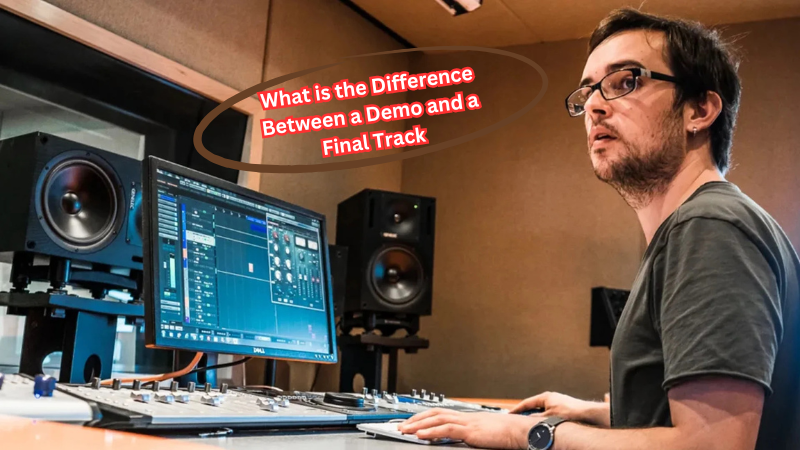
In the world of music production, the journey from a raw idea to a polished masterpiece is marked by two key stages: the demo and the final track. A demo is often a rough sketch—a preliminary version of a song that captures its core melody, lyrics, and basic structure.
It serves as a creative blueprint, helping artists, producers, and collaborators refine the vision for the track. In contrast, the final track is the fully realized product, enriched with professional recording, intricate arrangements, and expert mixing and mastering.
While a demo emphasizes creativity and experimentation, the final track is crafted for commercial release, offering superior sound quality and emotional impact. Understanding their differences highlights the evolution of artistry and technical finesse.
The Basics of a Demo
A demo is usually the initial step in the songwriting process, where artists explore their ideas and experiment with different sounds and arrangements. It can be a simple recording made on a phone or computer, using basic instruments or software.
The purpose of a demo is to capture the essence of the song without getting caught up in perfecting every detail. It allows for flexibility and encourages creativity, often leading to unexpected developments in the track's direction. Demos also serve as a means for artists to pitch their songs to labels and producers for potential collaborations.
Despite its rough nature, demos can hold immense value as they offer a glimpse into an artist's creative process and early interpretations of their music. They provide a foundation for the final track and are an essential part of the evolution of a song.
What Defines a Final Track?
A final track is the culmination of all the hard work put into a song, from writing and recording to post-production. It goes through multiple stages of refinement, with each element carefully crafted to create a polished and cohesive sonic experience. The use of professional equipment, advanced techniques, and experienced engineers ensure that the final track meets industry standards for sound quality and technical excellence.
In addition to its technical aspects, a final track also strives to convey emotion and tell a story through lyrics, melody, and instrumentation. It aims to leave a lasting impression on listeners and resonate with them on an emotional level.
Does Music Industry Still Value Demos?
Despite the rise of digital production and remote collaborations, demos remain a vital part of the music industry. They provide artists with a platform to showcase their creativity and serve as a starting point for developing hit tracks.
Moreover, many successful artists still prefer to use demos as a way to communicate their ideas and collaborate with others, even if they have access to advanced recording equipment. Also, labels and producers continue to seek out demos as they search for fresh talent and new songs to add to their roster.
Benefits of Demos and Final Tracks
There are distinct benefits to both demos and final tracks, making them essential components in the music production process.
Demos
- Encourages creativity: The rough and unpolished nature of demos allows for experimentation and creative freedom, leading to unexpected developments in the track's direction.
- Cost-effective: Demos can be created using basic equipment or software, making them a more affordable option for artists on a budget.
- Showcases raw talent: As demos are often recorded without advanced techniques or professional equipment, they offer a true representation of an artist's raw talent and musicianship.
Final Tracks
- Professional sound quality: With the use of advanced recording equipment and post-production techniques, final tracks have superior sound quality that meets industry standards.
- Emotional impact: Final tracks aim to tell a story and evoke emotions in listeners, creating a lasting impact and connection with the audience.
- Commercial success: Final tracks are often the version of a song that is released to the public and can lead to commercial success for artists, including chart-topping hits and awards.
These benefits highlight the importance of both demos and final tracks in the music industry, as they each play a significant role in the success and evolution of a song.
What is the Difference Between a Demo and a Final Track
The primary difference between a demo and a final track lies in their purpose. A demo is a rough sketch that captures the core elements of a song and serves as a creative blueprint for further development. On the other hand, a final track is the fully realized version of the song, polished to meet industry standards for sound quality and emotional impact.
However, there are several other factors that distinguish demos from final tracks. These include their technical aspects, level of refinement, and value within the music industry.
Technical Aspects
One of the key differences between demos and final tracks is in their technical aspects. Demos are often recorded using basic equipment or software, such as a smartphone or a computer. This results in a raw and unpolished sound, with less attention paid to details such as mixing and mastering.
On the other hand, final tracks utilize professional recording equipment, advanced techniques, and experienced engineers to ensure superior sound quality. The use of high-quality microphones, mixing consoles, and mastering tools helps create a clean and polished sound that can compete in the commercial music market.
Level of Refinement
Another significant difference between demos and final tracks is the level of refinement they undergo. Demos are usually created in the early stages of songwriting, where artists are still exploring their ideas and experimenting with different sounds. As such, they may contain rough or incomplete sections and lack the polished production of a final track.
In contrast, final tracks undergo multiple stages of refinement, from recording and post-production to mixing and mastering. This process ensures that every element of the song, including lyrics, melody, and instrumentation, is carefully crafted to create a cohesive and impactful sound. As a result, final tracks are often more concise and have a clear direction compared to demos.
Value Within the Music Industry
While both demos and final tracks hold value in the music industry, they serve different purposes. Demos provide artists with a platform to showcase their creativity and pitch their songs to labels and producers for potential collaborations. They also allow for flexibility and experimentation, which can lead to unexpected developments and unique sounds.
Final tracks, on the other hand, hold a higher value in terms of commercial success. They are often the version of a song that is released to the public and can lead to chart-topping hits, awards, and increased recognition for artists. Final tracks also undergo a thorough branding process, including music videos, album covers, and promotional campaigns, which contribute to their overall success in the industry.
Additional Differences Between Demos and Final Tracks
Apart from the technical aspects, level of refinement, and value within the industry, there are other differences between demos and final tracks that are worth mentioning.
Accessibility
Demos are often more accessible than final tracks. As they can be created using basic equipment or software, they offer a cost-effective option for artists to showcase their work. This accessibility also allows for a wider range of artists to enter the music scene, as it eliminates barriers such as financial constraints or access to professional recording studios.
In contrast, final tracks may require significant investments in terms of time and money to produce. This makes them less accessible for independent or emerging artists who may not have the resources to compete with established musicians in the music industry.
Evolution of a Song
Demos and final tracks also play a crucial role in the evolution of a song. Demos capture the initial idea and essence of a song, while final tracks showcase its full potential and development over time. This evolution is often evident in the changes made to lyrics, melody, and instrumentation between the demo and final track versions.
Moreover, demos may also lead to multiple versions of a song, each showcasing different possibilities for its direction. These variations can be heard in live performances or released as bonus tracks on an album, providing insight into the creative process behind a song.
Impact on Listener Experience
The difference between demos and final tracks can also have a significant impact on the listener experience. Demos, with their raw and unpolished sound, may evoke a sense of intimacy and authenticity for some listeners. It allows them to feel a deeper connection with the artist and appreciate the creative process behind the song.
Final tracks, on the other hand, with their refined and polished production, aim to create a more immersive listening experience for audiences. The use of advanced recording techniques and professional equipment help elevate the emotional impact of the song, creating a lasting impression on listeners.
Tips for Creating an Effective Demo
While demos may not require the same level of refinement as final tracks, they still play a crucial role in an artist's career. A well-crafted demo can capture the attention of industry professionals and create opportunities for artists to further develop their music.
Here are some tips for creating an effective demo:
- Focus on the core elements of your song: Keep your demo concise and showcase the most essential aspects of your song, such as lyrics, melody, and instrumentation.
- Quality over quantity: It's better to have one or two high-quality demos than several low-quality ones. This will help you stand out amidst competition and demonstrate your potential as an artist.
- Pay attention to production: While demos may not require the same level of production as final tracks, they still need to be well-recorded and mixed. This will help showcase your song in the best possible light.
- Be open to feedback: Constructive criticism from industry professionals or other musicians can help improve your demo and make it more appealing to potential collaborators.
- Use demos strategically: Consider the purpose of your demo and tailor it accordingly. For example, if you're pitching to labels, choose songs that align with their style and target audience.
Common Misconceptions About Demos and Final Tracks
There are various misconceptions about demos and final tracks that stem from the differences between the two versions. Some common misconceptions include:
Demo songs are not as good as final tracks:
This is a misconception that often arises because demos are considered to be less refined and polished compared to final tracks. However, demos serve a different purpose than final tracks and are not meant to be the final product. They offer a glimpse into an artist's creativity and can often lead to the development of successful final tracks.
Final tracks are always better than demos:
While final tracks undergo a thorough production and branding process, it does not necessarily mean they are always better than demos. Some listeners may prefer the raw and unpolished sound of demos, while others may appreciate the refined production of final tracks. Both versions hold value in their own ways and cannot be compared solely on quality.
Demos are only for emerging artists:
This is a misconception that often stems from the accessibility of demos. As they can be created using basic equipment or software, it is assumed that only emerging artists use them to showcase their work.
However, established musicians also use demos as a platform to pitch their songs to other artists or labels. In fact, some musicians continue to release demos throughout their career as a way to connect with their audience and provide insight into their creative process.
Final tracks are always the artist's vision:
While final tracks may seem like the ultimate representation of an artist's vision, it often goes through numerous changes and modifications during production. These changes can be influenced by producers, label executives, or other collaborators. Thus, final tracks may not always align with the original vision of the artist.
These misconceptions overlook the unique role that demos and final tracks play in an artist's career. Both versions have their own strengths and are essential in showcasing an artist's creativity, growth, and potential in the music industry.
FAQs
Is it necessary to create a demo before recording a final track?
While not mandatory, creating a demo can be beneficial in the development and refinement of a final track. Demos allow for experimentation and feedback, which can help improve the overall quality of the song.
Are demos only used by emerging artists?
No, demos are not limited to emerging artists. Established musicians also use demos as a way to pitch their songs or showcase their work to other artists or labels.
Can demo versions of songs be released publicly?
Yes, some musicians choose to release demo versions of their songs as bonus tracks on albums or as part of live performances. This allows audiences to gain insight into the creative process behind a song and appreciate its evolution.
Conclusion
The difference between a demo and a final track lies in their purpose and refinement. A demo is a raw, exploratory canvas that captures a song's essence, encouraging creativity and experimentation. It's a vital starting point that helps shape artistic vision. Meanwhile, a final track is the fully polished product, developed through professional recording and expert production to deliver superior sound quality and emotional resonance.
Both stages are pivotal—the demo drives innovation, while the final track transforms ideas into a cohesive masterpiece. Together, they highlight the artist's creative process and technical skill, playing integral roles in shaping music and resonating with both the industry and listeners.